




How to Choose the Right Off-Plan Property Developer in Dubai
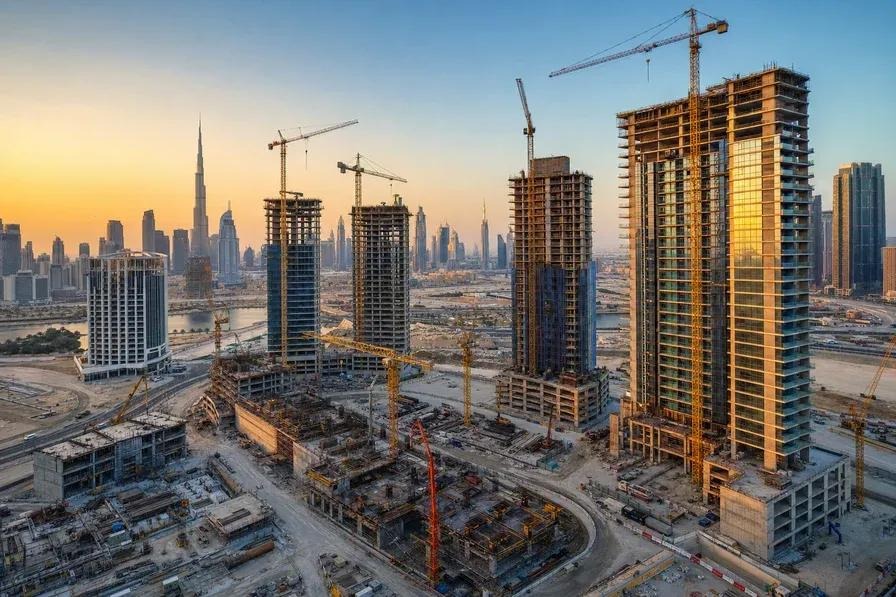


Buying an off-plan property in Dubai can offer attractive opportunities for investors and homebuyers, but choosing the right developer is one of the most important decisions you will make.
The developer you choose can influence the quality of construction, project delivery, payment experience, resale potential and overall ownership journey. With numerous developers launching residential projects across Dubai, buyers should conduct proper research before making a commitment.
Here are the key factors to consider when choosing an off-plan property developer in Dubai.
1. Check the Developer’s Track Record
One of the first things to investigate is the developer’s history.
Look at:
- Previous projects
- Number of completed developments
- Project locations
- Quality of completed properties
- Delivery history
- Reputation among buyers
A developer with a strong track record may give buyers greater confidence, especially when purchasing a property that will be completed in the future.
However, an established name should not automatically mean that every project is suitable. Each development should still be evaluated individually.
2. Review Previous Projects
Do not only look at the developer’s marketing material. If possible, research projects that have already been completed.
Consider factors such as:
- Building quality
- Finishing standards
- Common areas
- Amenities
- Landscaping
- Maintenance
- Community environment
Visiting completed developments can provide a better understanding of what you may realistically expect from a new project.
3. Evaluate the Project Location
A good developer cannot compensate for a weak location.
Before purchasing, study the surrounding area and its future potential.
Consider:
- Accessibility and major roads
- Public transport connectivity
- Nearby schools and hospitals
- Shopping and entertainment options
- Business districts
- Waterfront or lifestyle attractions
- Planned infrastructure and future developments
The right combination of developer + location + project can be more important than the developer’s brand name alone.
4. Understand the Payment Plan
Payment plans are one of the major reasons buyers consider off-plan property.
Developers may offer different structures, such as payments linked to construction milestones or schedules extending beyond completion.
Before booking a property, make sure you understand:
- Initial booking amount
- Instalment schedule
- Construction-linked payments
- Post-handover payments, if applicable
- Final payment requirements
- Any additional administrative charges
Choose a payment plan that matches your financial capacity rather than selecting a property simply because the initial payment appears affordable.
5. Compare Construction and Design Quality
Two projects in the same area can have very different standards.
Review the property’s:
- Floor plans
- Materials
- Fixtures and fittings
- Kitchen specifications
- Bathroom finishes
- Balconies and outdoor spaces
- Building amenities
- Parking arrangements
A visually impressive brochure is not enough. Buyers should understand what is actually included in the property specifications.
6. Look at the Amenities and Community Concept
Modern Dubai developments often focus on creating complete lifestyle communities rather than simply providing apartments.
Depending on the project, amenities may include:
- Swimming pools
- Fitness centres
- Landscaped gardens
- Children’s play areas
- Walking paths
- Clubhouses
- Co-working spaces
- Restaurants and retail outlets
Consider whether the amenities are genuinely useful for your target buyer or tenant.
For investors, practical amenities and a well-planned community can contribute to the property’s long-term appeal.
7. Understand the Expected Handover
Off-plan buyers should pay close attention to the expected completion and handover timeline.
Ask the developer or sales representative about:
- Expected completion date
- Construction progress
- Development milestones
- Handover process
- Property inspection procedures
It is important to understand that construction timelines can change. Buyers should therefore avoid making financial plans that depend entirely on a specific handover date.
8. Research the Developer’s Customer Service
The relationship with a developer does not necessarily end after booking.
Good communication throughout the purchasing process can make a significant difference.
Consider how easily you can obtain information about:
- Payment schedules
- Construction updates
- Documentation
- Handover procedures
- Property inspections
- Post-handover support
Clear communication can make the overall buying experience considerably smoother.
9. Compare Value Instead of Just Price
The cheapest property is not always the best investment.
Instead of comparing only the price per square foot, consider the overall value proposition.
Look at:
Location + Developer + Property Quality + Payment Plan + Amenities + Future Demand
A slightly higher-priced property from a strong developer in a desirable location may offer better long-term value than a cheaper project with weaker fundamentals.
10. Watch for Red Flags
Buyers should be cautious if they encounter:
- Pressure to book immediately
- Unclear payment terms
- Limited project information
- Unrealistic investment promises
- Poor communication
- Inconsistent property specifications
- Lack of transparency regarding costs
A professional sales process should give you enough time to understand the property before making a major financial commitment.
11. Do Your Own Due Diligence
Even if you are working with a property consultant, conduct your own research.
Compare several projects rather than relying on a single recommendation.
You can evaluate:
- Developer reputation
- Project location
- Property type
- Price
- Payment plan
- Expected completion
- Rental potential
- Resale potential
- Community development
The more carefully you compare your options, the easier it becomes to identify a property that fits your investment strategy.
Final Thoughts
Choosing the right off-plan developer in Dubai is about more than selecting a well-known name.
A successful purchase usually starts with careful research into the developer, location, project quality, payment plan, community and long-term demand.
Whether you are buying your first Dubai property or expanding an existing portfolio, taking time to compare developers and projects can help you make a more informed decision.
The goal should not simply be to find an attractive launch price. The goal is to find an off-plan property that offers a strong combination of quality, location, value and long-term potential.