

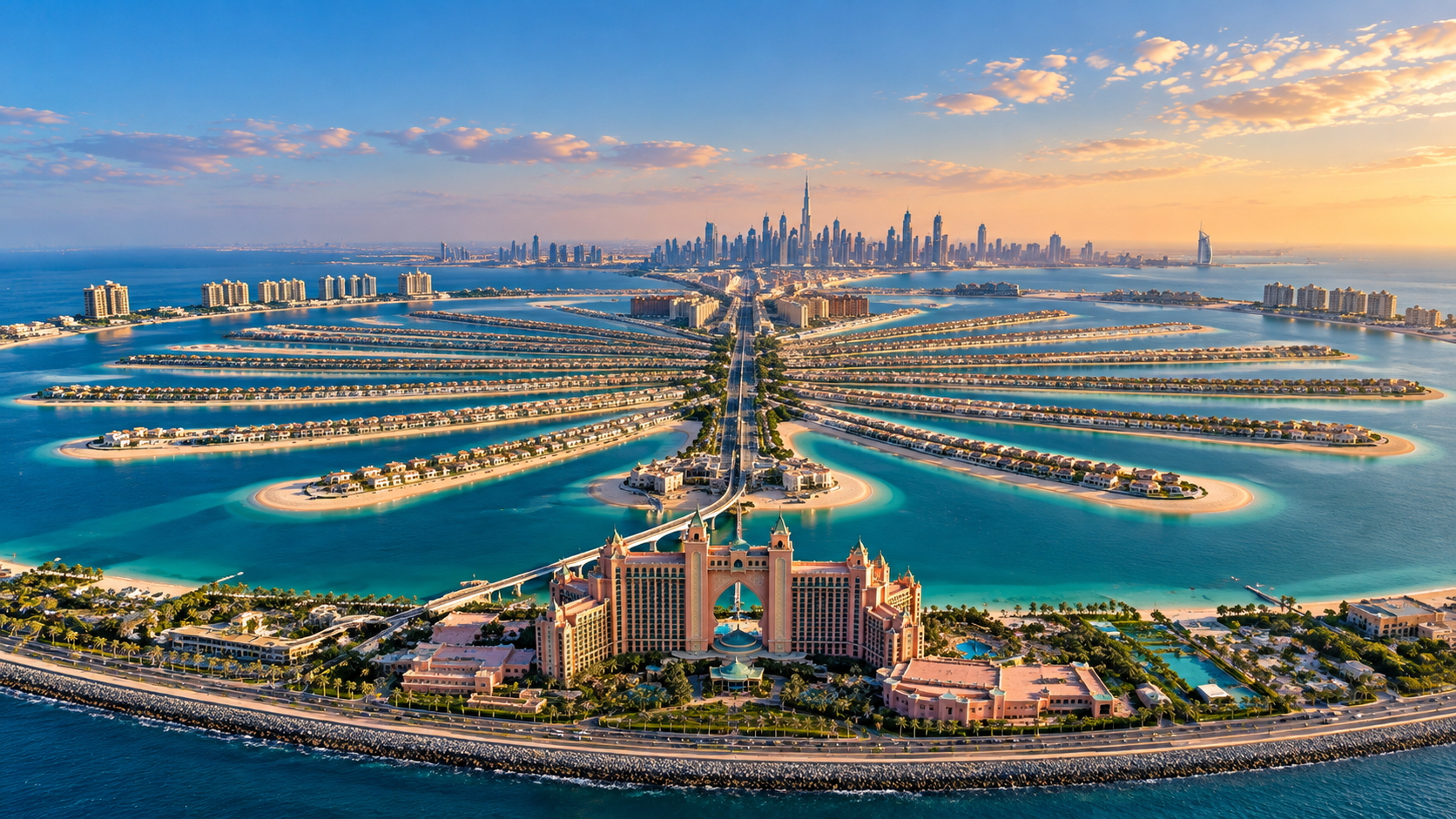


Is Off-Plan Property in Dubai a Good Investment for Rental Income?
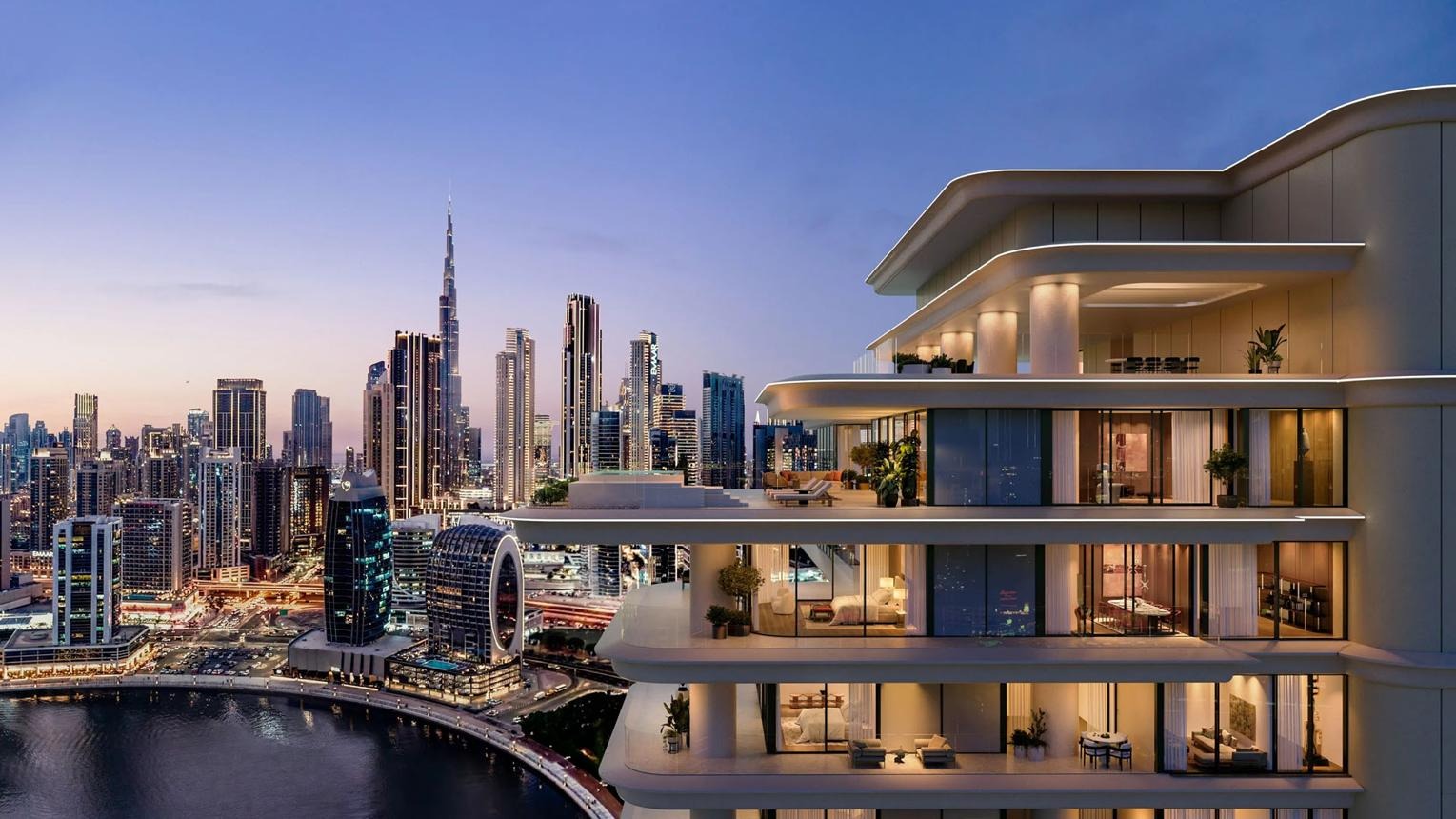


Dubai has become one of the world’s most active real estate markets, attracting investors looking for both long-term capital growth and rental income.
For many investors, off-plan property offers an opportunity to purchase a new property before completion and potentially benefit from the growth of a developing community.
But is an off-plan property in Dubai actually a good option for rental income?
The answer depends on several factors, including location, property type, developer, purchase price, tenant demand and the overall quality of the project.
Here is what investors should consider before buying an off-plan property specifically for rental income.
1. Location Is the Foundation of Rental Demand
The first factor to consider is location.
A beautiful apartment may struggle to attract tenants if it is located far from the areas where people want to live and work.
For rental-focused investors, consider proximity to:
- Business districts
- Metro and public transport
- Major roads
- Schools
- Hospitals
- Shopping destinations
- Restaurants and entertainment
- Beaches and waterfront attractions
- Established residential communities
Different areas attract different tenant profiles, so the location should match the type of renter you want to target.
2. Choose the Right Property Type
Not every property attracts the same level of rental demand.
Studios and one-bedroom apartments can appeal to professionals and individuals, while larger apartments may be more suitable for families.
Before buying, consider:
- Studio
- One-bedroom
- Two-bedroom
- Three-bedroom
- Townhouse
- Villa
The best choice depends on the location, target tenant and purchase price.
A property with strong demand among renters may offer better rental potential than a larger but less practical unit.
3. Research the Future Community
One of the interesting aspects of off-plan investing is that you are often buying into a community that is still being developed.
A new development may eventually include:
- Residential buildings
- Retail outlets
- Parks
- Schools
- Restaurants
- Fitness facilities
- Community spaces
- Transport connections
Investors should research what is actually planned for the surrounding area rather than relying only on promotional material.
A well-planned community can become more attractive to tenants as infrastructure and amenities develop.
4. Consider the Developer’s Reputation
The developer can have a major impact on the property’s future rental appeal.
A reputable developer may provide:
- Better construction standards
- Attractive amenities
- Professional community planning
- Reliable property management
- Stronger buyer confidence
Research completed projects and assess how their properties perform in terms of quality, tenant appeal and overall reputation.
5. Compare the Purchase Price With Potential Rent
Rental income should always be considered in relation to the property’s purchase price.
For example, two apartments may generate similar annual rent, but if one has a significantly higher purchase price, the rental economics may be very different.
A simple way to think about rental yield is:
Rental Yield = Annual Rental Income ÷ Property Purchase Price × 100
This provides a starting point for comparing different properties.
However, investors should also consider other ownership costs when evaluating the overall return.
6. Don’t Ignore Service and Operating Costs
Gross rental income is not the same as net investment return.
Property owners may have expenses associated with:
- Service charges
- Maintenance
- Property management
- Repairs
- Furnishing
- Vacancy periods
- Leasing costs
These expenses should be considered when calculating the property’s potential profitability.
A property with attractive headline rental income may not necessarily provide the strongest net return.
7. Think About Tenant Demand After Handover
An off-plan property may look attractive today, but rental demand will ultimately depend on the market when the property is completed.
Ask:
Who will want to rent this property after handover?
Consider the future tenant profile and whether the surrounding community will offer the lifestyle, convenience and connectivity that tenants expect.
This is especially important when purchasing several years before completion.
8. Amenities Can Improve Rental Appeal
Tenants increasingly look beyond the apartment itself.
A development with useful lifestyle amenities can become more attractive.
Features such as:
- Swimming pools
- Fitness centres
- Landscaped areas
- Children’s facilities
- Parking
- Security
- Co-working spaces
- Retail and dining
can influence tenant preferences.
However, investors should balance amenities against the associated service and maintenance costs.
9. Consider Furnished vs Unfurnished Demand
Depending on the location and target tenant, investors may have the option to rent the property furnished or unfurnished.
Furnished properties may appeal to certain professionals and shorter-term residents, while unfurnished properties can be attractive to long-term tenants.
The right strategy depends on the property’s location, size, community and target market.
10. Think About Long-Term Capital Growth
Rental income is only one part of the investment equation.
An investor may also benefit from potential capital appreciation if the property’s market value increases over time.
Factors that can influence future value include:
- Location development
- Infrastructure
- Community maturity
- Supply and demand
- Developer reputation
- Property quality
- Market conditions
Therefore, investors should evaluate both rental potential and long-term property value.
11. Be Prepared for Vacancy Periods
Rental income is not always consistent.
There may be periods when the property is vacant between tenants.
Investors should therefore avoid planning their finances around 100% occupancy.
A sensible investment strategy should allow for potential vacancy, maintenance and other unexpected expenses.
12. Compare Multiple Projects
Before committing to an off-plan investment, compare several developments.
Look at:
| Factor | Project A | Project B | Project C |
|---|---|---|---|
| Location | Strong | Developing | Established |
| Purchase Price | Medium | Lower | Higher |
| Rental Demand | High | Growing | High |
| Amenities | Extensive | Moderate | Extensive |
| Payment Plan | Flexible | Flexible | Shorter |
| Target Tenant | Professionals | Families | Professionals |
The best option will depend on your investment objectives and financial position.
Is Off-Plan Property Better for Rental Income Than Ready Property?
Both options have advantages.
A ready property allows investors to see the actual building, community and existing rental market.
An off-plan property may provide access to newer developments, structured payment plans and the potential to enter a project at an earlier stage.
For investors willing to wait for completion, off-plan property can be an attractive strategy. However, it requires more focus on future rental demand and project fundamentals.
Common Mistakes Rental Investors Should Avoid
Investors should avoid:
- Buying solely because of a low launch price
- Assuming high rental income without research
- Ignoring service charges
- Choosing a location without tenant demand
- Overlooking future competing supply
- Depending entirely on optimistic rental projections
- Focusing only on the developer’s marketing material
A successful rental investment requires realistic expectations and proper research.
Final Thoughts
Off-plan property in Dubai can be a good option for rental-focused investors, but there is no universal guarantee of rental performance.
The strongest opportunities usually come from combining a good location, reputable developer, practical property type, competitive purchase price and strong future tenant demand.
Before investing, look beyond the advertised rental return. Evaluate the complete investment — including purchase price, payment plan, operating costs, vacancy risk, community development and long-term value.
With careful research and a clear rental strategy, an off-plan property can become an important part of a diversified Dubai real estate portfolio.